

Most families do not think about asset protection until something goes wrong — a lawsuit, a business failure, a creditor, or a family dispute. By then, the options are narrower and the costs are higher. The families who protect what they built do so in advance, with simple, legal tools that they understand and maintain. Asset protection is not about hiding assets or avoiding honest obligations. It is about organising your affairs so that what you have built is harder to lose to a single bad event.
What Asset Protection Means
Asset protection means structuring ownership so that a claim against one person, or one part of your affairs, does not automatically reach everything you own. It is a legal discipline, and it works best when it is done before any claim exists. The tools are familiar: trusts, business entities, insurance, and careful titling of property. None of them is a guarantee, and none of them should be used to defraud creditors or to hide assets from a court. Used honestly and in advance, however, they can make a real difference to a family’s security. The key is timing: protection put in place after a problem arises is far less effective, and in some cases can create new problems.
Trusts and Business Entities
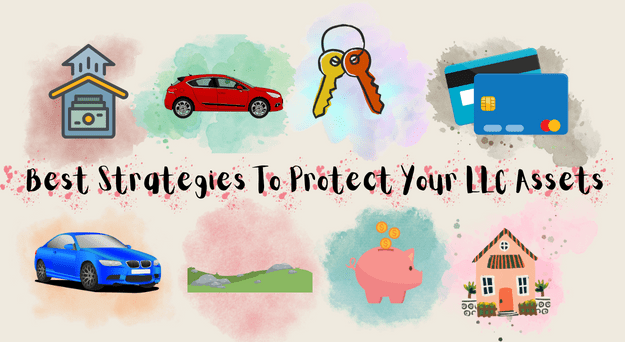
Trusts and business entities are the two main structures families use. A trust can hold family assets — a home, savings, or investments — for the benefit of beneficiaries, following the trust’s instructions. A business entity, such as an LLC, can hold business assets and limit the owners’ personal liability for the business’s debts. Many families use both, and the comparison in Trust vs. LLC explains how to think about which one fits your goals. Whichever structure you choose, it must be funded, maintained, and reviewed — an unfunded trust or a neglected LLC protects no one. Learning about common law trust mistakes is a useful first step, because the most common errors are also the most avoidable.
Insurance and Everyday Habits
Insurance is often overlooked in asset protection, but it is one of the simplest and most effective tools. Home, auto, umbrella, and professional liability insurance all transfer risk to an insurer, so that a single accident does not wipe out a family’s savings. Review your cover regularly, and make sure the limits reflect what you actually own. Everyday habits matter too: keep personal and business finances separate, keep good records, and do not sign guarantees lightly. A personal guarantee can undo the protection of a business entity, so read any guarantee carefully before you sign it. And keep your paperwork organised — the habits described in generational wealth habits are asset protection habits too.
What Asset Protection Is Not
Asset protection is not a way to avoid paying debts you honestly owe, and it is not a way to hide assets from a court or a tax authority. Schemes that promise to make assets “disappear” or to put them beyond the reach of all law should be treated with great caution. The legal ways to shield what you built are open, documented, and done in advance — trusts, entities, insurance, and careful planning, all recorded properly and maintained over time. If someone offers you a shortcut that involves secrecy or deception, that is a warning sign, not an opportunity.
Practical Takeaways
Start with three steps: list your assets and how each one is titled, review your insurance cover, and check that any trust or business entity you have is actually funded and in good standing. Then set a yearly review date. Asset protection is not a one-time project — it is a habit, and like any habit, it works best when it is done regularly and in advance.
Frequently Asked Questions
When should I start protecting assets? Before any claim or problem exists. Protection put in place after a problem arises is much less effective.
Do I need a trust and an LLC? It depends on your goals. Many families use both, for different purposes. Learn how each works before you decide.
Does asset protection mean I never have to pay debts? No. It is about organising your affairs legally and in advance, not about avoiding honest obligations.
If you would like to learn more, A.W.A.R.E is here to help you understand asset protection, trusts, and related topics in plain language, and to point you toward guidance for your own situation. Reach out to A.W.A.R.E to learn more about its trust, status correction, and sovereignty services.
This article is for educational purposes only and is not legal or tax advice.









Leave A Comment